Showing posts with label Melodic Death. Show all posts

Saturday, September 7, 2013

Witherscape - The Inheritance

You’ve probably been seeing this album cover on some pretty big metal zines and websites. Well, the reason behind all of this publicity is somewhat obvious when you learn that Dan Swano, the mastermind behind the progressive death band Edge of Sanity takes up ½ of Witherscape’s lineup. Of course, progressive death superfans are going to be jumping all over this new project, eager to hear what Dan has unleashed this time. I should probably start this review with a disclaimer that there isn’t really anything progressive about Witherscape; it’s just good old fashioned melodic death. The only reason everyone seems to be labeling this duet as a progressive band is because of Dan Swano’s reputation for being a progressive and forward-thinking musician. But regardless of what the intention was with Witherscape, we have a melodic death record on our hands. But not being innovative and progressive is never a bad thing. There’s always possibility that these two fuckers have created something awesome for us.

But, like every new band, there’s room for disappointment. And although Witherscape doesn’t exactly disappoint me, they do confuse the hell out of me. I can see what they were trying to obtain with this, but it sounds like they didn’t spend enough time on this. Everything just sounds choppy. You can hear that they’re doing sort of an Amorphis type of thing, except with more death metal and less power metal. So I guess a better way to put it would be Scar Symmetry without all the keyboards and electronics. The lack of transitions throughout the record makes the whole thing sound terribly rushed, which is a shame because they really nailed the death metal parts. Most of the time, there aren’t any transitions at all that can be heard. And when they’re actually present, they’re VERY sloppy and don’t do their job.

The second issue that I’m having with these guys is that the instrumentation doesn’t match up. Dan is a vocal MASTER, I have to make sure that point is made, because he really is one of the best extreme metal vocalists out there, especially with growling. His growling is VERY powerful, and his singing, although not perfect, has A LOT of energy. His singing actually reminds me of Symphony X when their singer is putting all of his energy into what he’s doing. So Dan is doing all the vocals, drums, and background keyboard stuff that you almost never hear. This other guy, Mr. Widerberg, is doing all of the guitars and bass. Although he is good at what he does, he COMPLETELY fails at creating enough energy to create a proper backing to Dan’s vocals. It sounds REALLY bad. The energy of the music is way too small for the power of Dan’s vocals. An example of a band that is very good at making the energy of the music match up with the vocals would be Amorphis. Aside from the complexity of their songs, the overall music itself is VERY powerful and does an excellent job of backing up Tomi’s growls and epic singing. If the music had a shitload more energy, this would sound a hell of a lot fucking better than it does now. Although the transitions issue throws the listener off, it’s this contrast in energy between the two members that really fucks with your head (not in the good way).

This album sounds pretty rushed in general, and it’s apparent that a lot of other people are hearing it too. If these two guys decide to continue Witherscape, I would be interested in hearing what they do to evolve their sound because this has A LOT of room for much-needed improvement. The moods on this album clash, the energy between the two members never matches up, the transitions are sloppy, and the overall composition sounds weak. But those aside, the individual members themselves are fantastic and have a lot of potential. And, to be honest, Witherscape in general was a great idea because if they work on the issues The Inheritance has, they would literally be unstoppable. So these guys have laid down a weak base, but if they put a lot of extra work into their next release, we could have something very big coming our way. But for now, The Inheritance gets a 7/20 score and I wouldn’t recommend this to anyone unless they were a hardcore melodic death fan. 

Saturday, June 15, 2013

Dark Tranquillity - Construct

Dark Tranquillity is a band that many consider to be one of the best and clearest representatives of the melodic death genre. When giving examples of some of the purest and biggest melodic death bands out there, Dark Tranquillity is almost always mentioned, along with Amon Amarth, Arch Enemy, Hypocrisy, Insomnium, At the Gates, Scar Symmetry, etc. Like most of the really big melodic death bands out there, Dark Tranquillity resides in the beautiful country of Sweden. Hell, the only band that I listed above that isn’t Swedish is Insomnium (they’re from Finland). Anyways, Sweden is the home country of Dark Tranquillity. I was introduced to these guys at a live performance. The funny thing was that I was at that show for the two opening bands, Mutiny Within and Threat Signal, and the local band, Blood and Thunder. Having never heard Dark Tranquillity before, I was absolutely hooked on them after hearing their set. Of course, this was after the release of the album that they were touring for, We are the Void. So this is the first piece of new material since that show, and I’ll tell you this, you have no need to worry about it not living up to expectations.

These guys were on a fairly consistent path with their sound. The past four albums that they’ve released have all sounded pretty much the same; which is kind of ironic because those are my favorite albums by them (and, of course, The Gallery). In We are the Void, their sound was just starting to enter the beginning stages of growing old, so it was the appropriate thing to do to change things up a bit this time around. But what the hell did they do to change things up? Well, don’t expect any changes as drastic as the ones In Flames made, but there are some new elements that are very noticeable that are introduced in this album. In Flames really pushed the walls of melodic death metal. Regardless of your opinion on their newer sound, it’s undeniable that In Flames pushed themselves completely. Dark Tranquillity haven’t pushed themselves nearly as much as In Flames, but there are other reviewers out there that are saying that Dark Tranquillity are on part three of their musical journey.

From their formation in the early 1990s up until the release of The Mind’s I, this is what we call “classic” Dark Tranquillity (in this case, I’ll call it part one). Then, starting with the release of Projector in 1999, the band started playing an entirely different style of melodic death; one that really took a lot of listeners by surprise. But, unlike other bands, Dark Tranquillity’s change in sound never really caused much of an uproar of negative feedback. Now, well over a decade later, the Swedish masters have introduced to us the beginning of part three of their musical journey. Just like Projector, Construct is a style of melodic death that we haven’t heard from these guys before. Even when the single off the album was released and that was all we had, it was obvious that Construct was something fresh and new. But what about construct IS new?

Well, Dark Tranquillity’s sound is more melodic than ever before. Yes, Damage Done and Fiction were pretty melodic albums, but Construct takes this term to a whole new level. There’s much less of the really thrashy drumming that appears in literally every other Dark Tranquillity record prior to this one. The drumming overall has taken on a different path, which is probably due to the drummer getting bored of playing the same patterns for the past 20 or so years. Also, there is a lot, and I mean A LOT more contrast between the verses and the choruses in each song. It gets to the point where there are no distorted guitars at all in the verses and all hell breaks loose in the choruses (i.e. the first song on the album).

But the biggest change that Dark Tranquillity’s sound has gone through has nothing to do with individual specifics. The biggest change that has been made is the complete outlook on the genre itself. When you look at “part two” of their journey, they obviously had a much more straightforward outlook on melodic death. They went fast, with the grain, and added in some keyboards. And it was fucking great and almost everybody loved it. The sound that Construct delivers goes a bit under the surface structure of the genre and explores some of its more mystical and softer areas. This is pretty much the same thing that Swallow the Sun has done throughout their career, except they’re much softer and slower than Dark Tranquillity.

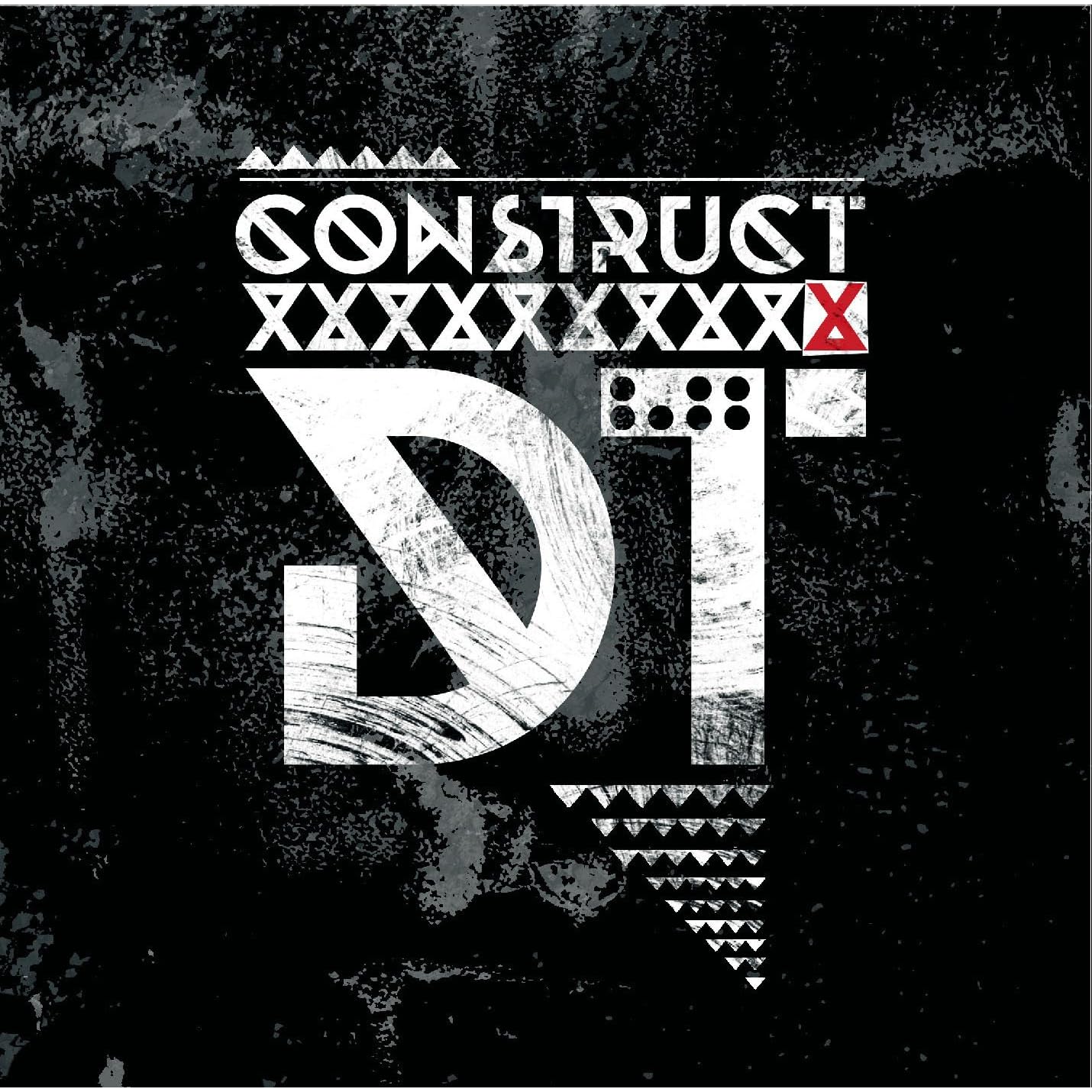
Overall, Construct is amazing and can easily be considered one of Dark Tranquillity’s best releases. For some reason, I’m having a hard time enjoying the ugly album artwork. But nonetheless, the music is what matters and it’s a beautiful piece of work that I would recommend to all fans of melodic death and metal in general. To be honest, this wouldn’t be a bad place to start if you’ve never heard Dark Tranquillity before. I would give Construct a score of 18/20. 

Monday, April 22, 2013

Hypocrisy - End of Disclosure

When talking about extreme metal bands from Sweden, the legendary melodic death band Hypocrisy is almost always brought up at some point. Starting out as a straight-up death metal band, these guys have become both pioneers and role models for both the death metal and melodic death genres. Because their frontman has been focusing so much on his industrial metal side-project, Pain, we haven’t heard anything from Hypocrisy since 2009...until now. The words “New Hypocrisy!” resonated throughout the world when Nuclear Blast Records announced that Hypocrisy had entered the studio. Will the new Hypocrisy be any good? On a personal level, although I think A Taste of Extreme Divinity is one of Hypocrisy’s best albums, it’s sound is not the kind that should be recycled. They really put themselves in a situation where, if they wanted to stay on this amazing path they’ve been on since Catch 22, they HAD to change their sound. Well, the only way to find out is to listen to the sucker.

The change in Hypocrisy’s sound is instantly noticeable the second that the guitars come in. For those of you that aren’t too familiar with the band’s history, they started out as a straight-up death metal band, eventually going in a more melodic direction starting with the release of The Final Chapter in 1997. More than a whole decade later, Hypocrisy continues to play melodic death, but they’ve managed to keep some of their original sound, making them one of the heavier bands of their genre. Almost all of that disappears on the new record. Replacing the brutality with keyboards, symphonics, and excess guitar melodies, Hypocrisy successfully manage to progress their sound. Progression is almost always something that tends to upset a lot of fans (i.e. Annotations of an Autopsy, Opeth, In Flames, The Faceless, Katatonia, etc.). But for some reason, there are certain instances where pretty much everyone embraces a band’s progression. This has appeared to be the case with the new Hypocrisy record. Everyone seems to be loving it!

End of Disclosure has a few similarities with A Taste of Extreme Divinity. The first similarity is the guitar distortion. Well...maybe it’s not 100% similar because it has less treble than Extreme Divinity, which is an improvement because that was one of the things about A Taste of Extreme Divinity that bothered me the most. The second similarity is the style of drumming. If you can, listen to the first track from A Taste of Extreme Divinity and listen to the drum patterns (especially in the beginning). After that, listen to United We Fall from the new album and, about one minute into the song, you’ll hear a close replica of that same drum pattern. I don’t really know what to call this drum pattern, but I hear it a lot, especially in bands like Jungle Rot, Hatebreed, Dark Tranquility, and, to be honest, a hell of a fucking lot of bands stretching all the way back to the 1980s! Anyways, on top of that, Hypocrisy uses the same blast beats that were used in A Taste of Extreme Divinity, which are ultimately flawless.

Let’s take a moment and discuss what’s new about this record. The keyboards have definitely taken a much bigger role than ever before, which can easily lead to a disaster. Because of this addition, Hypocrisy have created a masterpiece that easily competes with their classics The Arrival and Virus. The symphonics, although much more profound, still reside WAY in the background the majority of the time. Hypocrisy has always been a band to make the guitars the loudest and boldest. This is still true in End of Disclosure, but with the more profound keyboards, the overall complexity of the music is far greater than before. It’s pretty hard not to fall in love with this sound if you’re at all a fan of melodic death and/or Hypocrisy. Aside from the parts that have orchestral elements, there are numerous sections that use a soft pad keyboard voice that, although low in volume, quadruples the beauty and atmosphere of the entire sound. This element has made almost all the difference. I’m thinking that their frontman’s extensive work on his industrial metal project has caused him to try implementing more keyboard work in Hypocrisy. If this is true, it was probably one of the best decisions he’s made since deciding to play melodic death metal.

Everything else about this album is flawless. The production work is a thousand times better than the previous releases, the vocals are much more balanced and powerful, the guitar work is indescribably mature and beautiful, the bassist does everything perfectly, and, as a bonus, the album cover is fucking amazing! This is definitely going to be on a lot of people’s “Best of 2013” list, just watch. This gets a 19/20 from me.

Sunday, November 25, 2012

Swallow the Sun - Emerald Forest and the Blackbird


Just like their brothers in Eternal Tears of Sorrow, Swallow the Sun has always been one of the most melodic death metal bands out there. For some reason, Swallow the Sun never really got the attention they deserved from the majority of metalheads out there. Their major breakthrough album, Hope, got the attention of all of Europe and much of the people here in the states where I am. Hope’s follow-up, New Moon, didn’t prove to be as successful as far as attention and sales though; but the album received generally positive feedback from the critics. When Emerald Forest and the Blackbird was released, it was like the whole world completely forgot about the new Arch Enemy album and wouldn’t stop talking about “this amazing Finnish melodic death album”. Almost every webzine, magazine, reviewing site, metal blog (now including myself), and metal news source that I’ve looked at have reviewed this album. Well, I can at least somewhat understand how the immense hype for this album was possibly created, because well…look at the goddamn artwork! Just seeing the artwork on the ad I saw on the internet made me check it out (and of course my pre-existing love for Swallow the Sun); that and the slightly over-mentioned and over-hyped fact that Anette Olzon (Nightwish vocalist at the time) makes a momentary guest appearance on the fourth track.

One aspect that I keep coming across again and again about what people say about this album; in this case the people that had a more critical opinion towards it, is the trendiness. I’m going to be honest right off the bat, I love this album, it’s amazing, but I also know that there are several trends that Swallow the Sun have chosen to partake in (whatever the reason was). This is something that’s popped up very recently, there are suddenly A LOT of people that absolutely BASH any death metal or black metal album that has a lot of orchestral and symphonic elements. What the fuck happened? Last I heard, it was cool to have tons of epic keyboards and symphonies in your music. But when I read several reviews on newer albums like Scar Symmetry’s The Unseen Empire, Wintersun’s Time 1 (that pisses me off), Ex Deo’s Caligvla, Dimmu Borgir’s Abrahadabra, Epicloud by the Devin Townsend Project, and Stones Grow Her Name by Sonata Arctica, for EVERY single one, the PRIMARY reason for most of the criticism is one or more of the following: “too many keyboards”, “too digital”, “too dependent on symphonic and orchestral elements”, “the fact that there’s a real orchestra instead of keyboards is made too big of a deal”, or something like that. I guess I’m way behind everyone and what’s “in” and what’s “out-of-style”.

There’s always a risk that metal bands take when using an excess amount of keyboards and symphonies in their music, and that’s cheesiness. It’s just WAY too fucking easy to unintentionally compose and arrange the symphonic parts in a way that sounds really hokey and cheesy. In some cases, it’s on purpose, but it sounds cool (i.e. Epicloud). But there are some bands that have recently figured out how to have that epic sound created by the symphonies without the cheesiness (like Wintersun, Ex Deo, Septicflesh, etc.). Except the mood that the orchestras and keyboards in Swallow the Sun creates is much different than most other bands. Instead of the mood being a really epic, powerful, and upbeat one, the mood that the keyboards in Swallow the Sun’s music creates is one of deep emotion, tenseness, sorrow, and pain. And to be honest, it’s one of the most beautiful moods I’ve ever heard a melodic death album create. My evidence to back this up: the first track (also the title track) when the heavy guitars and the agonizing growls and screams come in with undeniable intensity and edginess. Swallow the Sun has always had this quality about them in their music, but now that I’ve heard Emerald Forest and the Blackbird, I now know that they have truly mastered it. Bands such as Katatonia, Eternal Tears of Sorrow, and Agalloch are among some of the other metal bands that have mastered the depressive sound without going full-on raw black metal like Xasthur and Woods of Desolation.

The vocals in Emerald Forest and the Blackbird are particularly interesting because you hear every vocal style that has been used throughout the band’s career. You can hear the extremely deep, mouth-watering growls and the tranquilizing singing from Ghosts of Loss and The Morning Never Came, the nasty screams from Hope, and the high-pitched shrieks from New Moon (although every album had its fair share of that BEAUTIFUL singing). Going back and using all of those different vocal styles helps create a vast number of possibilities for more original-sounding material (see, recycling isn’t always bad, it doesn’t ALWAYS have to be completely new). The deep growls aren’t NEARLY as deep and powerful as the growls in Ghosts of Loss and The Morning Never Came. If they were to bring those exact same-sounding growls back to be used in this record, the power of the overall sound would have skyrocketed. But, since they haven’t, the extremely powerful, but not QUITE as deep growls that we hear in Emerald Forest (that’s what I’m going to call that album from now on) are what we’re going to have to live with; and don’t get the impression that I’m saying the growls on Emerald Forest aren’t anything short of demonic.

Now that I’ve listened to Emerald Forest more than three dozen times, I can now say that this is Swallow the Sun’s most melodic album to date. This moving in a much more melodic and less death metally direction is another one of these so-called trends. Since the newest releases by melodic death and progressive death bands like In Flames, Opeth, Amorphis, Scar Symmetry, and Wintersun (not really much to work with) are much farther from a pure melodic death sound than their earlier works, people are pointing fingers at Swallow the Sun and considering them part of this trend because, seemingly out of pure fucking coincidence, this is their most melodic album to date. For me, since they still hold that extremely gothic doomy sound, the vibe of Emerald Forest seems to fit Swallow the Sun very comfortably.

Oh, but how could I write a review on this album and not mention the major guest-appearance!? Anette Olzon, at the time, frontwoman of the biggest symphonic metal band ever, Nightwish (well, it actually seems to be a tie between them and Apocalyptica, but you get the picture). Yes, I do think that Anette’s voice is beautiful and unique, but it’s obvious to everyone that the reason Swallow the Sun has made such a big motherfucking deal about her guest appearance (it’s mentioned in every single press release the band and their label made on the album before and on its release) is publicity and sales increase. OH FUCK, THEY’RE SELL-OUTS! Yeah, you can fuck off now, because that’s not the case. Because although this helped boost album sales and attractiveness as well as the artwork, Anette’s singing truly does add in an outside touch that helps further the beauty of the ballad-like song that she’s on. It’s actually really surprising how much of a positive effect Anette’s voice has on that one song. But seriously, the significance of it is over-exaggerated and was over-mentioned to the point where it was beyond obvious that they were taking advantage of her fame and using it as a marketing tool to boost sales. Why not make it a cameo appearance and have it secretly mentioned in the liner notes? Like when Suicide Silence had Frank Mullen of Suffocation on one of the tracks from The Black Crown.

Emerald Forest and the Blackbird is Swallow the Sun’s best album to date. Thanks to excess marketing, advertising, and a guest-appearance from one of metal’s most loved (and most hated) female singers, this album and the band have acclaimed well-deserved and much-overdue success and attention. Not only to fans of doom metal, gothic metal, and melodic death, but to any fans of emotional, melodic, and dark music is who I would give out high recommendations for this album (and band). Swallow the Sun achieve many obstacles, including completely mastering several things that they have been doing for their entire career. The only question left is: what’s next? I can’t possibly begin thinking of possible directions that the next album will go that would make it better than Emerald Forest. I would give Emerald Forest and the Blackbird 18/20. 

Wednesday, October 17, 2012

Swallow the Sun - Ghosts of Loss


Swallow the Sun is an essential for the melodic death fan. Although they’re not one of the biggest, their newest release, Emerald Forest and the Blackbird has been a heated discussion for quite some time now, some considering it one of the biggest melodic death releases of the year aside from Wintersun’s Time I and Dethklok’s Dethalbum III. Although I feel that Before the Dawn’s Rise of the Phoenix is a bigger deal than the new Dethklok album, I would not in any way deny the fact that the new Swallow the Sun record is huge. But I want to take the chance to look into one of their older records, Ghosts of Loss. Although not the absolute best, 2005 was a very good year for the melodic death genre, including either good or very good album releases from Scar Symmetry, Arch Enemy, Children of Bodom, Dark Tranquility, Hypocrisy, Nightrage, November’s Doom, and Soilwork. Here’s something interesting that I literally JUST noticed: all of the bands I just listed except for November’s Doom and Children of Bodom are Swedish. Although that may not be a BIG surprise since Sweden dominates the melodic death genre, I do find it intriguing that Ghosts of Loss was one of the only major Finnish melodic death albums released that year. So now that you have at least SOME background information behind the time Ghosts of Loss was released, now I get to tell you about the most important part, the music.

Swallow the Sun is in the same family as Septic Flesh, Before the Dawn, November’s Doom, Rotting Christ, and Draconian, who all put a lot of emphasis on having a gothic sound. This extremely deep, dark, extremely melodic, and (often times) slower sound is what you hear in a lot of gothic metal. Although I just consider all of these bands to be melodic death, there are several people that I know of that have gone as far as giving these bands their own genre known simply as “gothic death” (short for gothic death metal). Here’s the thing with Swallow the Sun; they’re a hell of a lot MORE melodic than any of those bands that I just listed, and this album in particular is one of the darkest and almost depressive melodic death records I’ve ever heard in my life. It’s probably the fact how these guys are like Katatonia with death metal why THIS album in particular has been the one that I keep coming back to. And for those of you elitists, I’m talking about the post-2003 Katatonia.

The vocalist is my favorite member on this album. His growls couldn’t be more perfect. I’m not even kidding, these are the type of growls that I look for! They’re powerful, REALLY deep, exhaled, crisp, and not monotonous. And his singing is amazing. I definitely have heard better out of other Finnish bands, but overall, this guy’s singing voice has varied dynamic and intensity to help follow the music, it’s clean and crisp, and it doesn’t sound like he’s straining his voice anywhere in the album. His screams are sort of in between the midrange and high sections, so it sounds great when they’re played alongside his extremely deep guttural growls. Here’s the one issue I’m having: the vocals (especially the growls) can be overpowering during many parts of the record. Even when they’re played alongside screams, they just take over everything. When it’s really an issue is when the intensity is at a lower level and the tempo is slow, but the crunchy guitars are still heavily chugging and the drums are heavy. Because when those highly-intense growls come out of the ground like Mt. St. Helens in 1980, it just doesn’t match up and it just literally overpowers the whole rest of the band.

I don’t really know anything about their drummer except for that he’s in this mediocre stoner rock band called Plutonium Orange. I listened to their first album and just didn’t really get anything satisfactory out of it at all. Although the drumming on this album fits the music just fine and never falls out of time, I do feel that it’s just a LITTLE too simple; not by much, though! I do feel that simple drumming is what the majority of what this band has written is what’s required, but I just have a gut-feeling that if the drums had just a tiny bit more pizzazz, that it would enhance the beauty of the music so much more.

The first two tracks on the album are what speak to me the most. I find it interesting when a band chooses the longest track to be the first one. The Giant starts off with a soft guitar/vocal duet that contains indescribable beauty (no exaggeration). I can’t imagine a better way to set the mood for the rest of the album than this very relaxed and melodic introduction that smoothly leads into melodic death metal beauty that put a smile on my face the first time I heard it. The uneven pattern of the frequent key and mood changes never fails to keep the listener interested. That is true, but I will say that this is an EXTREMELY melodic and soft album (I’m talking Katatonia-style), so in case it happens, it’s not boredom that put you to sleep while listening to it.

Descending Winters is a song with a lot more energy as well as being a great melodic headbanging track. The way that the drummer hits the snare so fucking hard gives the whole song an unusually heavy sound that can’t possibly leave someone unimpressed. Aside from that, the production on the entire album is amazing, the vocals are fantastic, the drumming could use to be a bit more complex (which is fixed since they now have the Wintersun drummer), and the overall extremely melodic gothic feel that the music has is like no other. I would give Ghosts of Loss 17/20.

Sunday, September 30, 2012

In Flames - Come Clarity

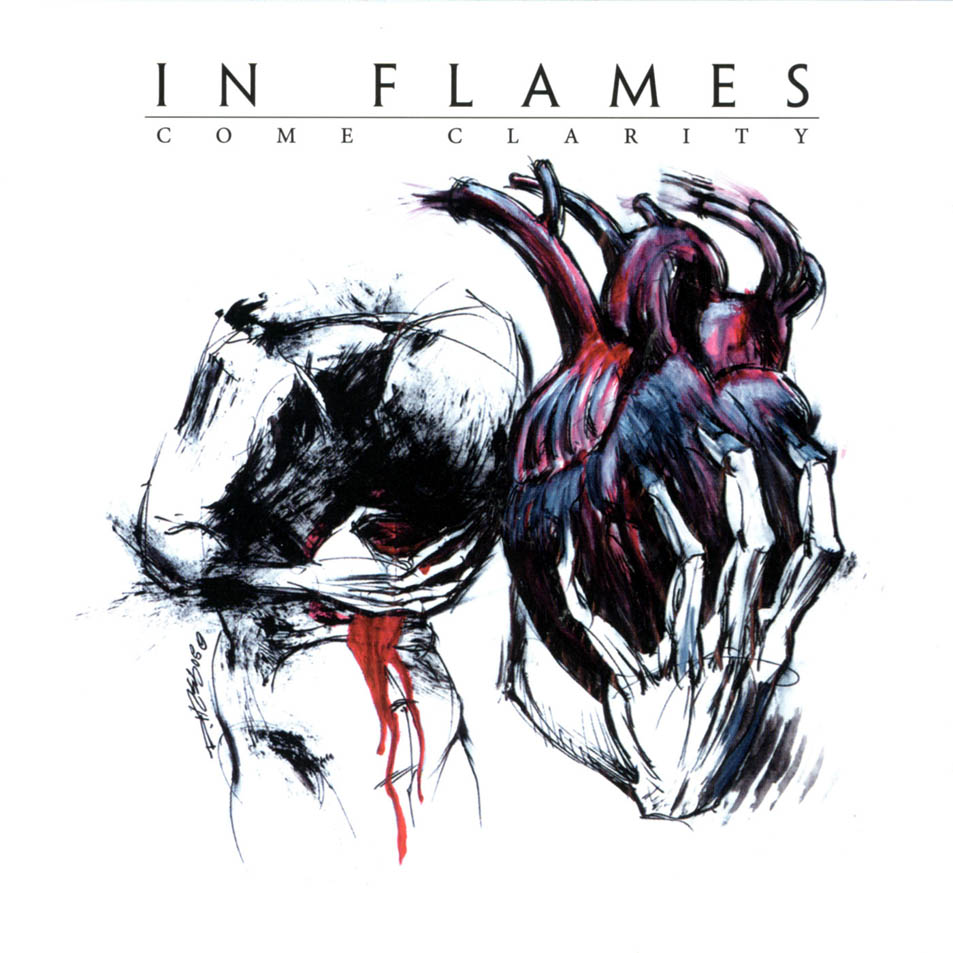
Like many others in my generation, this was my first In Flames album. I never played Guitar Hero or Rock Band very much, but it wasn’t hard to avoid the fact that the first track off this album was on one of those games (I don’t really remember which one, but it doesn’t matter). So because they had a song on Guitar Hero, In Flames was one of the bands my friends threw at me along with Lamb of God, DragonForce, Rage Against the Machine, Disturbed, The Fall of Troy, and Killswitch Engage. Now that I’ve come to know the entire In Flames discography very well and grow an opinion on the majority of the releases within it, it’s time that I used the reviewing process to further expand my understanding of my first In Flames album, Come Clarity.

Oh, maybe I should mention a disclaimer for those of you that are Whoracle/The Jester Race elitists: this review just might piss you off because unlike some, I happen to thoroughly enjoy the majority of the newer In Flames albums, my favorite being A Sense of Purpose. I should get it out there that I agree 100% that both Whoracle and The Jester Race have rightfully earned their respected spots as pure classics in the melodic death genre; there’s no denying that. And although I believe that, I tend to like the newer material a little more, especially A Sense of Purpose. Whoracle just doesn’t speak to me in the same way on a personal level that A Sense of Purpose does. I’m saying all this because I KNOW that there will at least be three people claiming that I don’t know a fucking thing about what I’m talking about. Well guess what, I do, and I prefer In Flames’ four most recent albums over the rest of their discography.

Now that I’ve got that out of the way, let’s go into what I’m here to tell you about (for those of you that have decided to continue on instead of blindly rejecting it). I believe that it was back in about late 2007/early 2008 when my friend lent a copy of this to me. I’ve now learned that it was this album that brought In Flames back into the metal media for the first time since they changed vocalists. Ever since then, every time they go on a tour, release a new song/ep/album, or anything, it’s a pretty big fucking deal. The thing about Come Clarity that most people point out as being the reason why it sounds so different from all of their other records is the metalcore influence it has.

Most of the metalcore influence isn’t really in the musical composition as much as it is in the melodies and guitar harmonizations. To those that are metalcore-haters, metalcore means numerous simple breakdowns and cheesy melodic choruses. Well to be honest, that’s not what metalcore is, and In Flames has always had breakdowns in their music, it’s in just about every metal band (that might be an overstatement, but hopefully you get what I mean). The really dark melodic sound that Soundtrack to Your Escape had pretty much dissipates in Come Clarity. Yeah, it’s melodic (it’s melodic death, that’s a given), but it’s not nearly as dark as Soundtrack to Your Escape. Instead, you get a sound that’s more similar to that of Soilwork’s. The heavy parts have a really crunchy, yet technical sound, and the melodic parts have an epic groove feel to them.

The vocals fit the music perfectly. Similar to Soilwork, the vocalist does very high-pitched screams that sometimes fade into really nasty yells. I should note that pretty much everything this vocalist does is pretty high-pitched. His singing has a unique powerful sound that can have similarities to Speed’s vocals at times, but it’s pretty much as unique as Speed’s singing voice. The screaming is what I would consider to be the perfect match for the melodic technical sound Come Clarity portrays. In just about every other melodic death band that has a technical style (Wintersun, Soilwork, Children of Bodom, The Agonist, etc.), the vocals are mid-range to high-pitched screams (I literally just now noticed that!).

The drums and the guitars share a complex harmony which weaves in and out of itself. Many of the harmonization patterns have a heavy metalcore influence along with some possible technical death influences. Like I mentioned before, it’s the metalcore influenced-guitar harmonies that makes this album sound so much different from all the other In Flames albums. I know that some people strongly oppose the idea of letting any sort of metalcore influence seep into a melodic death record, but honestly, it’s hard to deny that In Flames pulled it off pretty damn well. The bassist seems to have a mind of his own. And unfortunately, he seems lost in some places. He’s obviously doing improvisation in some places and trying to be excessively abstract in others. But there are numerous times where what he’s playing just doesn’t match up with the rest of the music. And yes, there are bassists that play something completely different from the rest of the band, but the two parts still end up matching up and sounding good. That’s probably why the guitars almost completely drown out the bass for the majority of the album.

Come Clarity is one of In Flames’ best albums. I wouldn’t say that this would be the best first impression, but to be honest, I wouldn’t stop you if you wanted this to be your first sample of In Flames. Come Clarity expresses musical intelligence and creativity through its innovative structure, outside influences, and complex musicianship. I would give this album 15/20. 

Sunday, September 23, 2012

Soilwork - A Predator's Portrait


Thanks to its release through Nuclear Blast Records, A Predator’s Portrait is known for being Soilwork’s major breakthrough album. Why this album and not the two previous ones? Because every single piece of material that Soilwork has released since A Predator’s Portrait has received rave reviews from critics and fans worldwide. So after catching the attention from the underground European metal scene with The Chainheart Machine, Soilwork landed a deal with the best record label in the world, Nuclear Blast, which is a deal that is still very much alive this very moment. Why? Because everything Soilwork just keeps getting better and better with each release, despite the fact that they aren’t as much under many people’s radars as they were in 2005.

Even though this album’s sound isn’t THAT much different from The Chainheart Machine and Steelbath Suicide, it still remains one of the band’s most successful and influential releases. Usually, with a band with as big of a legacy as Soilwork, you would expect there to be a cult following of similar bands attempting to follow in Soilwork’s footsteps. But funny enough, there really hasn’t been much of a cult following. An extreme example of this would be the number of metalcore bands out there that practically worship August Burns Red (I the Breather, Oh, Sleeper, A Past Unknown, Never See Tomorrow, For Today, etc.). Or an even bigger example is the fact that Meshuggah has caused an utter explosion of progressive metal, metalcore, deathcore, and technical death bands to play their complex breakdown style (Veil of Maya, Born of Osiris, Periphery, Animals as Leaders, Decapitated, etc.). How many bands do you know of out there that play really thrashy melodic death with some other random shit thrown in here and there? I mean, there are most definitely some whether they’ve been influenced/inspired by Soilwork or not, but there isn’t a definite group.

A Predator’s Portrait is one of Soilwork’s heaviest records. Even though it has numerous melodic guitar harmonizations, there’s minimal singing, thrash metal-style drumming, and very fast-moving breakdowns in every song. If you’ve heard any of the albums that came after A Predator’s Portrait, especially Natural Born Chaos and Figure Number Five, you might have noticed that A Predator’s Portrait is the last album where Speed’s screams are REALLY high-pitched. Ever since then, Speed’s harsher vocals have drifted closer to a yell with each release. But in order to prove that he hasn’t lost the ability to let out his bone-chilling screams, Speed continues to scream every once in a while in each album. They’re just no longer the primary vocal style of the album.

What I meant when I said that this is one of Soilwork’s heaviest albums, I meant that there aren’t very many songs that are completely melodic as a whole. There are several guitar riffs and mood shifts in each song that just bursts with soft melody, but when you listen to each song and/or the album as a whole, it sounds much more groovy and thrashy than melodic. Sort of like a more melodic Pantera or Machine Head (probably not the best analogy, but it works in my head). The drumming is extremely aggressive in this album. Part of what makes the drums sound so driving and aggressive is the fact that there isn’t a shitload of bass like there is in The Panic Broadcast and Stabbing the Drama. This really tinny sound that the drums portray is what many critics claim to be the core of what makes this album’s sound so unique along with the higher-pitched guitar distortion.

So with this really gritty and aggressive sound, you’re also met with some atmospheric keyboards in the background every once in a while. I’m not quite sure what the point of having these brief moments of melodic keyboards because they don’t seem to add much to the music. But then again, there are several cases where even the smallest and seemingly-miniscule additions give the music a COMPLETELY different sound than it would without them. So maybe it’s just because they’re so slight that the difference is hard for me to imagine in my own head.

A Predator’s Portrait isn’t Soilwork’s best album by far, and I wouldn’t consider it a classic, but I would most definitely consider it to be an important record in the melodic death genre with its limit-defying attitude and groovy aggression. For those of you that are wanting to get much more into melodic death, make sure to pick up a copy of A Predator’s Portrait after you’re done getting to know Stabbing the Drama, The Panic Broadcast, Sworn to a Great Divide, and Figure Number Five. I would rate A Predator’s Portrait 15/20 for being a fantastic melodic death record. 

Saturday, September 22, 2012

The Agonist - Prisoners


The Agonist released Lullabies for the Dormant Mind in 2009 and their popularity quite literally exploded. Yeah, no kidding. Their debut, Once Only Imagined got the attention of a fairly small amount of people (which included me). But to be honest, with the exception of some, it wasn’t really that impressive. This was especially true when they released their sophomore masterpiece in 2009, which I gave an extremely high 19/20 score. So now, three years later, The Agonist has their highly anticipated follow-up album out in the markets, and it’s already proving to be their most successful album yet. I’m guessing that this is partly due to extensive advertising and several anti-piracy articles and videos created by Century Media (their label) and their blue-haired vocalist/sex symbol Alyssa White-Glutz. After going on about Alyssa in my review of their second album, I don’t think that it’s necessary to do that in all my other Agonist reviews.

This album is somewhat a continuation of the sound Lullabies for the Dormant Mind portrayed, but with some variations and progressions in some areas. Most of these areas where the band progressed were areas that were somewhat premature in their first two releases (guitar solos, catchiness, etc.). Actually, I partially take that back, because the band hasn’t progressed their sound as much as they have spent time exploring other sounds, which include much more melodic rock and acoustic-influenced styles. Aside from this change in direction towards a more melodic sound, the heavier parts have much more of a catchy rock sound that is considerably less complex and technical than in their second album. This isn’t a thing that has been making me happy. Because honestly, this unusual-sounding technicality was my favorite thing about The Agonist, therefore stating the primary reason for my praise of Lullabies for the Dormant Mind.

The first song that I heard from this album was the first song that everyone else heard from it: Predator and Prayer. But then again, two of the songs off the album were released in 2011 as an EP, which I usually don’t tend to count since there apparently weren’t that many people that bothered to listen to it. But the majority of their audience heard the discreetly and sneakily-released track Predator and Prayer, which is a MUCH better first impression of this album than either of the two songs released on The Escape [EP]. So if you haven’t heard anything from this album yet, make Predator and Prayer your first priority because believe me, it is THE pinnacle of the album (although some beg to differ, which is fine). That’s the problem that I have with this album; the album as a whole isn’t as strong. There are some REALLY strong tracks that just blow your mind, some fairly good tracks, and then just some plain ol’ mediocre songs that aren’t bad in any way, but tend to be disappointing after you hear the better ones.

Lullabies for the Dormant Mind is a solid album because every single song on that album is like a titanium structure. All of the songs have a similar sound and work together to create a virtually indestructible skeleton to keep the album together. The structure holding Prisoners together isn’t quite as solid as I would like it to be. Don’t get me wrong, it’s damn solid, The Agonist doesn’t fuck around, but the weak structure exposes several weak spots that tend to be bothersome. It’s not so much the structure of the album itself that I consider weak as much as some of the individual songs themselves that are just…well…not extremely impressive. Songs like Anxious Darwinians, The Mass of the Earth, and Dead Ocean speak out to me as not being as strong as they could be. After hearing Lullabies for the Dormant Mind, I know personally that The Agonist is more than capable of composing material stronger than this. Then again, all of these songs that I’ve just listed are enjoyable listens; they’re just not what I would consider to be “highlights” of this album.

As far as the individual musicians and their technical SKILLS go, they’ve all improved. One member that you don’t hear on this album that you may remember from the two previous albums is The Human Abstract guitarist Andrew Tapley, who was replaced by Pascal Jobin in 2010 when Andrew left to focus on writing and recording The Human Abstract’s Digital Veil album. Considering Tapley’s unique complex style, this is probably part of the reasoning behind the decline in technicality on Prisoners. The harmonizations in Alyssa’s singing is MUCH bigger and a hell of a lot more complex than ever before; sometimes recording over herself four or five times. And I’ve got to admit, it adds a whole new element to The Agonist’s music and it sounds fucking amazing. Her screaming and growling hasn’t gotten any crisper, but it sure as hell sounds more powerful than ever before, which means that she’s taking very good care of her throat and focusing on her sound. The most disappointing thing that one might find is that the drums and bass don’t take as big of a part in the music as they did before. When you listen to songs off of their first two albums, you hear one bass solo and drum solo after another, which was part of what made them sound so technical.

But with that aside, this is an album that all melodic death fans should give a listen or two…or three. One thing that I’m hearing in this album is experimentation and intention to expand musical creativity, but a slight loss of focus on the overall solidness of the album’s structure. I’m not encouraging monotony, but some of the songs on this album aren’t what I would consider to be the best of the band’s capability. I would rate this album 17/20. 

Saturday, September 1, 2012

The Agonist - Lullabies for the Dormant Mind


Let’s be honest with each other, for at least 80% of us, the thing about The Agonist that initially caught our eye was the vocalist. I mean seriously, it’s kind of hard to pass by an EXTREMELY attractive female human being with luscious bright blue hair. This is something that a lot of people (especially reviewers) try not to spend time talking about because it’s not the band’s image that matters, it’s their music. But there’s no denying the fact that Alyssa is one hell of a woman! But because this is a music review and not a fashion critique, I decided to only spend a couple of sentences on Alyssa’s looks before the review so that I don’t end up going on and on about her. The Canadian melodic death band has achieved a reasonable amount of success with the three albums that they’ve released and a considerably rigorous touring schedule. Due to a seemingly constant loss of words whenever trying to review this album, I haven’t been able to write one until now.

The part where I get stuck most often on reviews of albums THIS good is where to fucking start! Although I will at least attempt to cover every aspect of this album, I won’t be able to. And on another note, I will not be organizing everything I say in order of how important I think they are. Because although the amount of technicality these guys have in their music is huge and certainly important, it’s not the biggest reason why I love them.

It’s not very often that you hear a melodic death band that has THIS much technicality in their music. Although there are definitely plenty of other bands that are this technical, the only other melodic death band that I’M aware of are Wintersun, Children of Bodom, and Imperanon (I just noticed that all three of those are Finnish). So for those of you that are HUGE fans of melodic music and want something with a much more technical and complex song structure, I would highly recommend this album. Every musician in this band is playing with an extreme amount of complexity; and although that may be, none of them are at the same level as the drummer. Although you can clearly hear his complex drumming style, I think that it’s heard easiest in my favorite song off the album, The Tempest [The Siren’s Song; the Banshees Cry], although I just call it The Tempest for obvious reasons.

Whenever I’m telling people about REALLY good bassists in the metal genre, the bassist from The Agonist is one that I always make it a point to mention. If you’ve decided to go out and listen to The Tempest while reading the rest of this review, you’ve already noticed that the bassist is a prominent instrument on this album. If you haven’t chosen to do so, you’ll get your first whiff of his colorful style in the intro of the damn song. Since there’s only one guitarist, the bassist takes on the extra task of playing complex harmonizations with the guitarist as well as providing the lower end (as if the drummer doesn’t do enough of that!). Another thing that this band does better than most melodic death bands is transitioning smoothly between really heavy and really melodic parts. Once again, this can also be heard easily in The Tempest. Most melodic death bands tend to stay melodic, and if they make any mood transitions, they’re either slight (some more than others) or gradual. There are some bands that decide to take on the challenge and play two extremes of the same sound and putting them together in the same song. Another band that does this VERY well is Scar Symmetry with their absolutely crushing verse sections that transition PERFECTLY into the extremely epic and melodic choruses.

The vocals are another thing that helps make the transition not only smoother, but also more extreme. Her growls and screams are obviously what make the heavy parts HEAVY (especially the breakdowns), and her singing does none other than enhance the beauty of the flawless melodic elements. Also, her vocals cover an unusually wide range of pitches and styles throughout the entire record; from deepish growls to really nasty and gritty yells to mid-ranged screams to screams as high as a canary. For me, nothing else needs to be said about this album (although there are plenty of topics that I haven’t covered). Anyone that is a fan of melodic metal and extreme metal in general would thoroughly enjoy this melodic death masterpiece. I would rate this album 19/20. 

Wednesday, July 25, 2012

Imperanon - Stained


Any of you looking for a “Children of Bodom” band that ISN’T Children of Bodom; Imperanon is what you’re looking for! I would personally consider Imperanon to be more of a mix of Children of Bodom and Wintersun (although the Wintersun part is subtle). Imperanon was a Finnish melodic death band (just like Children of Bodom and Wintersun) that existed for almost ten years, but only professionally released one album, which was under the Nuclear Blast label. Oh, I think I should mention that their lead guitarist is also one of the guitarists for…wait for it…WINTERSUN! Ok, so we have that guy, the keyboardist for Finntroll, and the vocalist from Norther; that in itself should be at least mostly promising of something at least better than average.

I mentioned before that these guys sound a lot like Children of Bodom. I think I should clarify that statement because there’s one COB aspect that you won’t find in Imperanon’s music, the blazing speed. If you listen to Children of Bodom, you’re already well aware that they’re capable of playing some pretty damn incredible tempos. Imperanon plays fast compared to the majority of the melodic death genre, but not fast enough to be compared to Wintersun and Children of Bodom, which are some of the fastest bands in the genre. One thing that Imperanon has that Children of Bodom doesn’t is supreme melody. Yes, I know that Children of Bodom is, in fact, melodic (why else would they be considered melodic death?), but Imperanon takes on a more power metal-influenced style, therefore causing the melodic elements to be more profound. I guess a simple way of describing Imperanon’s sound would be a much slower and melodic version of Children of Bodom.

The vocals aren’t super unique, but it is at least somewhat uncommon to hear high-pitched screams in melodic death. That aside, the vocals are fantastic and have a very crisp sound. I would like the screams to be a LITTLE stronger and powerful, but they’re perfectly fine how they are in the recording; they provide a solid element to the music without bringing it down in any way.

I’m not going to spend too much time covering every member, but I do want to talk about the keyboardist. The keyboards seem to take on a more up-front position rather than just providing the atmospheric background. This is what reminded me of Wintersun (as well as Children of Bodom, but more so of Wintersun); when you play the first track, Blade, the lead instrument is obviously the keyboard in the intro. The cool thing is that the lead riff that the keyboardist plays eventually fades into the guitarist playing it, and then back to the keyboardist. Being a somewhat experienced musician, I find it pretty obvious that being able to do this takes quite a bit of synchronization skill. As well as that, the whole band is so tight that I can’t find any faults at all. This tightness is actually pretty fucking incredible because (like Children of Bodom and Wintersun), Imperanon plays some really technical and complex stuff! To help cover any slip-ups, bands may play more drawn out chords or have a rhythm guitarist playing long chords to make the music sound a little mushier and less technical; which isn’t necessarily a bad thing if it’s needed and if it sounds good. But you rarely hear any of the members playing drawn-out stuff in Imperanon, it all sounds like pure melodic technicality.

The song structure is complex, the melodies are complex, the solos are BEYOND complex, and the overall musicality and creativity is fucking outstanding. I think that this album is more than deserving to be released under Nuclear Blast. I would recommend this to any fan of melodic metal that hasn’t heard it before because even though this sounds a lot like Children of Bodom, it’s still a one-of-a-kind record. I would rate Stained 18/20. 

Monday, April 30, 2012

Before the Dawn - Rise of the Phoenix

Roughly a year after releasing one of the best albums of 2011, the Finnish melodic death powerhouse known as Before the Dawn is back with a strong follow-up known as The Rise of the Phoenix. I’ve actually known about this release for several months now, so obviously, I’ve been eager to hear it for quite a while. A little over a week ago, I went on the Nuclear Blast website to check the status of the album. I went to Before the Dawn’s page to discover that one of the tracks off the new album had been posted for streaming! Although their overall sound hasn’t gone through many HUGE changes since the release of Deathstar Rising, there are quite a few differences Deathstar Rising and Rise of the Phoenix (I don’t know if they purposefully put the word “rise” in both of those albums).

Let’s start out with the first track I heard off the album, which turns out to be the “title” song off the record (which is also not the EXACT title as the album, just like the title track off Deathstar Rising). The thing that stuck out to me the most was the extensive use of black metal-influenced higher-pitched chords. What I’m talking about are those really atmospheric melodic chords used primarily in the more melodic variations of black metal (although they run through all black metal in some way or another, tracing all the way back to the earliest black metal bands from the late 80s). But of course, these chords are being used in a melodic death fashion rather than in the black metal style that most people are used to hearing them in. The amount of blast beats being used throughout the faster parts of the song has gone up as well as the overall style of drumming.

If you strip away the layer of gothic influence and sound, Before the Dawn’s music is in fact the precise definition of melodic death in its purest and most generic sense. Before the Dawn removes their highly recognized gothic layer in some parts of this album, showing the rawness and pureness of their music. But even though this may SOUND like a disappointment, this album still earned the same score from me that their previous album did (even though I still like Deathstar Rising better).

The growls emitted from the throat of Tuomas aren’t quite as deep and spine-chilling as they are in previous albums, but this was probably done on purpose because it fits the less-gothic sound better. Here’s probably one of the most noticeable changes that Before the Dawn has made: there isn’t nearly as much singing. If you’ve heard Soundscape of Silence (my first Before the Dawn album), then you should know that there’s actually a tad bit more singing than growling. In Rise of the Phoenix, there’s next to no singing; which (fortunately) doesn’t decrease the quality of the music in any way.

In Phoenix Rising, Before the Dawn decides to turn down the opacity of their widely recognized layer of gothic sound and expose the rawness of their music to their listeners. To be honest, I’m extremely glad that the gothic feel hasn’t COMPLETELY vanished, but the atmospheric and epic sound that they use to make up for the hole that they left completely blew me away. I would recommend this to everyone and I guarantee you, Rise of the Phoenix does not disappoint.

Thursday, April 5, 2012

Dark Lunacy - The Diarist


Although this album had already been out for over two years by the time I looked it up, I still had that jittery, excited feeling that someone has when they first listen to a band’s newly released album. I guess this was because I had come to love and embrace Dark Lunacy and the entire melodic death genre so much that I was extremely excited to hear something new from one of my first death metal bands. With the little background information I could find on this album, I learned that Dark Lunacy still hadn’t obtained a very big fan base and were struggling with album sales even though Forget Me Not did get some positive attention from the media and the Italian metalhead community. The Diarist was Dark Lunacy’s breakthrough album. Although they don’t seem to be very many people’s favorites, they’re one of those bands that almost all diehard fans of European melodic death have at least HEARD OF. At least having your name be widely recognized and remembered is a huge step up and enough to even satisfy some musicians. Dark Lunacy knew that they needed to prove themselves worthy to the world and the exponentially growing amount of European metal bands.

I remember every single moment of the first time I listened to the first track off this album. There was a split second at the very beginning when I thought “did they blow it?..please may this not be a disaster” because of the really weird sounding stuff the choir sung in the crappy sounding recording. The instant that the choir erupted into that major chord, I knew that they had finally done it; I knew that Dark Lunacy had finally come up with something amazing. And although I don’t let my first impressions affect my final opinion, my opinion hadn’t changed a bit when the song ended. This is still a song that I play by itself without the rest of the album because it alone is enough to satisfy me. And not only that, pretty much every song on this album is satisfying enough by itself. But honestly, none of them even compare to the melodic power of Aurora.

If you haven’t read the reviews I wrote on Dark Lunacy’s first two albums, the main problem that those albums had was that there wasn’t much of a balance between the classical elements and the metal elements. The two elements had a really hard time flowing smoothly together. So basically what they did was leave the slightly blended element chunks in the blender until they mixed together so that they could flow together smoothly as a whole instead of two separate parts. You can actually hear lots of classical and baroque influences in what the guitars are playing as well as a less abstract sound in the classical instruments. That alone shows that they’re doing more than just flowing together, they’re flowing together and within each other.

Aside from the newly implemented classical influence in the metal side, the heavier areas follow more of a traditional melodic death sound than the experimentally abstract sound they had before. I think that this change alone has made the music much, much easier to swallow and understand. Another new thing that has been introduced is deep harmonized singing (most notably in the second track, Play Dead). This is another part of the traditional melodic death sound that has been thrown into the flavoring. The growls sound even more powerful and enraged than in Forget Me Not which enhances the darker side of the music.

The Diarist is Dar Lunacy’s best album and Aurora is what I would consider to be the best first impression the band has to offer. This album is filled with depressive melodic death with classical and baroque elements and influences. On top of that, there are beautiful melodic guitar solos, signs of experimentation, and outright beauty. Even though Aurora is my favorite song off the album, other AMAZING tracks are Play Dead, Pulkovo Meridian, Now is Forever, The Farewell Song, and Snowdrifts. But don’t let that distract you from the fact that EVERY SONG ON THIS ALBUM IS PERFECT. And not only that, the album is as perfect as my score. 

Dark Lunacy - Forget Me Not


I’ve written many reviews on albums that I discovered in a particular point in my life. That point in time was from early 2007 to the spring of 2008, which was when I FIRST really actually GOT INTO extreme metal. Many of the first extreme metal bands I discovered at the time were melodic death bands. These bands were Scar Symmetry, Amon Amarth, Nightrage, Arch Enemy, Wintersun (the last band I discovered during that time period), and Dark Lunacy. I found Dark Lunacy on this Pandora-ish website (NOT Pandora) where I found other metal bands like Fleshgod Apocalypse, Vomitory, blessthefall, and Impending Doom. To this day, I remember that the exact song I heard on here by Dark Lunacy was the masterpiece known as Serenity (I’ll talk more about that particular track later in the review). In Dark Lunacy’s first album, they lay down a lot of experimentation with emphasis on the mixture of baroque/classical elements and crunchy melodic death chunks. The unfortunate thing is that they through all those hard chunks into the blender, but they didn’t let the blender run for long enough; so the smoothie didn’t flow with ease and everything wasn’t perfectly mixed together. In other words, the band didn’t put enough effort into refining and perfecting the mixing of the two elements; they had a really hard time flowing together in a smooth and efficient manner. Three years after the release of Devoid, Dark Lunacy puts out their sophomore follow-up, Forget Me Not.

Forget Me Not puts a little less emphasis on the baroque elements and a little more focus on the metal side of things. Here’s the interesting part: there isn’t as much of an improvement on Devoid’s HUGE fault as I would have liked to see. In the track after the intro, the guitars are noticeably louder than the classical instruments; but the classical instruments still seem to be REALLY out of place…but not as out of place as they were in Devoid. The violin in Lunacyrcus cuts through the music with no trouble at all like a brand new razorblade sliding across soft skin. The baroque elements sound a little less baroque-ish and more traditional. That minor change right there made the baroque elements fit the music SO MUCH BETTER! My favorite new element that Dark Lunacy put in is the accordion during the really atmospheric parts.

The BIG improvement that Dark Lunacy made during this album is that every musician seemed to get ten times better in every way imaginable! The new drummer has much more creativity and color in his playing. He also has the ability to play with considerable speed and technicality and use blast beats during the perfect times. The guitarists have a very dark and powerful sound that screams with emotion. The bassist actually plays a MUCH bigger part in the music on this album than on Devoid. The bassist plays little “solos” here and there all throughout the album and he never sounds dry and empty like some bassists do; this guy plays with color. And last of all, the vocalist’s growls fit the definition of truly powerful growls. There really isn’t much else I need to say about the vocals other than that.

The strongest and best song off this album is Serenity. Although this track is broken up into sections that alternate between soft piano ballads and SUPER melodic death metal storms; the song is pretty much 50/50 as far as balance between the two sides goes. I’ve never forgotten the part that the piano plays in the very beginning of the song. It’s one of those things that you don’t have to listen to it to jog your memory, it’s one of those song clips that engraves itself in your memory to the point where you can play it in your head on command and it sounds EXACTLY like the original recording. I wouldn’t be surprised if this particular song doesn’t do that for you, but I’m more than positive that you know what I’m talking about and that it’s happened to you before. Serenity is one of the most melodic and depressive melodic death songs as well as being one of my favorites. And it’s RARE that a single SONG speaks out to me this much; so don’t take what I just said lightly.

Forget Me Not is a HUGE improvement from Devoid, but it still has a whole lot of room for more improvement. Now that Dark Lunacy improved both the baroque side and the metal side of their music, it’s time that they put their primary focus on successfully mixing the two elements together to make something amazing. I would give this album 16/20 for being a very memorable album and for just being awesome. I would recommend this to EVERYONE. 

Dark Lunacy - Devoid


I think that Dark Lunacy was one of the (if not THE) first Italian death metal bands to integrate the local and historical baroque and classical music and death metal (let alone melodic death). Although now there are quite a few other Italian death metal groups that do this (most notably Fleshgod Apocalypse), I haven’t really come up with any good ones that have been doing it as long as Dark Lunacy. This album was released during the turn of the century and has a perfectly equal balance of baroque and melodic death. Although Dark Lunacy has greatly improved since the release of this album, Devoid still stands out to me as being an easily enjoyable listen, especially for someone who loves both metal and classical music.

The album kicks off with a single viola playing a creative line which is then lightly blanketed by the deep, distorted guitars. There are then parts with wordless choir harmonizations that are very far in the background (sometimes barely hearable). The reason why I think that Dark Lunacy has improved since this album is because the symphonic/orchestral/baroque/whatever instruments and elements fail to flow smoothly with the death metal side. Yes, they do make ends meet most of the time, but the two elements need to be able to flow side by side and weave in and out of each other with no hiccups. That’s the big downer about this album; but it’s more understandable because not only was this the band’s first album, it was well over ten years ago. But if you’re looking specifically at this album by itself, the integration of the two elements is fairly weak.

If we ignore that fault that tends to obstruct enjoyment at times, we can find that the songs themselves are extremely colorful, creative, and most of all, innovative. At the time, many people considered Dark Lunacy to be progressive death (until a couple of years later) because of all of the risky and difficult decisions the band made during the writing process of this album. There are many times where it seems like the metal part is in the background and the baroque instruments are in the frontlines. This is still something that I have yet to hear another band do (although I’m fine with it just being Dark Lunacy). I guess that’s why most people that aren’t hardcore Dark Lunacy fans don’t consider Devoid to be the band’s best release; because the classical and baroque elements take control of the melodic death elements a little TOO much. But I don’t really let that get to me except for when it gets to me.

In this album, there doesn’t seem to be anything about any of the individual members that stick out to me. They all seem to be pretty average although they still fit the bill as good melodic death musicians and songwriters. This album has a lot of experimental elements like the baroque and classical elements, certain out of the ordinary guitar effects, and odd song structures. The unfortunate thing is, these experimental elements seem to have been just slapped together without much thought or effort of refining it to make everything flow smoothly. This is a great experimental album, don’t get me wrong, but it’s not what I would consider to be the best first impression. I would give this album 13/20. 

Wednesday, March 21, 2012

Eluveitie - Helvetios

Eluveitie has been in my music collection since late 2009 when I got Slania. When the band posted the music video for their (at the time) brand new song, Thousandfold, I went to Nuclear Blast and pre-ordered Everything Remains as it Never Was. That statement alone should tell you how quickly and strongly this band has pulled me (and millions of other people) into their one-of-a-kind musical universe of beauty and tranquility. But using big words and writing like I’m some kind of Canadian fantasy novelist isn’t going to get my point across. This is (yet again) one of those times where I thought “these guys can’t POSSIBLY get any better than this!” and was proved wrong when the next album was released. For those of you that aren’t familiar with Eluveitie, here’s a really good description of their sound: if you’re at all familiar with European folk music, you’re aware that there is the really ambient and melodic folk, and the really upbeat and happy folk (most notably as being used by Korpiklaani). Eluveitie takes the atmospheric and melodic European folk music and fuses it with melodic death metal. Although they do far more than just fusing those two completely different genres, that’s the blueprint that they build 90% of their songs off of.

As far as the sound of everything on the record, it sounds almost EXACTLY like their 2010 album. Not necessarily a bad thing, but don’t expect the instruments to sound any different than Everything Remains. Probably a difference that sound nerds would notice is that this album has a butt-ton more bass than Everything Remains. As well as that, the majority of the music sounds just like Everything Remains. Here’s why I don’t consider this a bad thing: it’s perfectly fine if a band makes two albums in a row that have the same sound as long as the THIRD album sound different. There is such a thing as too much change because it kind of makes it hard to keep up with. I actually like it when bands release two albums in a row that have the same basic sound…but only if the sound is AMAZING.

And the sound IS amazing! The musicians seem to have improved their instrumental and technical skills to make the music sound more complex. That’s the biggest twist this album has that sets it apart from all the previous ones; this album is one of their more technical releases. And yes, I know that there are other songs from previous albums that are very fast and very technical; but as an album in its whole, Helvetios seems more complex, especially in the folk instruments. That’s another thing I forgot to mention! The folk instruments aren’t in the background anymore!! Instead, they’re either right beside the guitars or in the very front of the line next to the vocalist. And speaking of that Swiss, folk-loving metal vocalist with the super-long dreads; his vocals have improved dramatically (and I thought he had reached perfection in Everything Remains!).

Remember that one song from Everything Remains, Quoth the Raven, where the female violinist sang and even let out an ear-splitting scream? Well guess what, apparently the band liked that and decided to put her singing in most of the songs on Helvetios. If you want a text description of what her SCREAMS sound like, they sound a hell of a lot like Lacey from Flyleaf (whose screams are phenomenal). As far as individual songs go, I’m not going to go into TOO much depth because I want you to get the damn album. BUT, if you were to ask me my favorites, at the moment my favorites are the second and third tracks; but all of the songs are amazing! I would give this album 19/20.

Sunday, January 22, 2012

Amon Amarth - Twilight of the Thunder God


Amon Amarth is one of the most famous extreme metal bands of all-time. They have album sales and concert attendance that has dominated that of Death, The Black Dahlia Murder, Dimmu Borgir, Epica, DevilDriver, Whitechapel, Behemoth, Arch Enemy, Meshuggah, and many other metal giants. This alone has proved to the world that they are one of the most successful and biggest death metal acts in existence. There’s only one problem when I get involved in a conversation about Amon Amarth, and that is that this is literally the only album that they have put out so far that has truly impressed me (let alone blow me away). I got this album around the time of its release in 2008; which was around the time where I really started getting into the more extreme metal genres. So this is an album I’ve been listening to for a little under five years. About two years ago I decided to get some of their previous albums and, to be honest, I wasn’t really that satisfied with what I heard. But the album I’m here to talk about is Twilight of the Thunder God.

When people ask me what “pure” melodic death sounds like, this is one of the first albums that comes to my mind. Some of you out there probably haven’t realized this yet but how can you get any purer of a melodic death metal sound than this? But I’m not saying that all the songs sound the same. In fact, there is a great amount of uniqueness and individuality that each song holds that keeps the listener engaged. When you look at the album as a whole, you can see a perfect balance of melodic areas and heavy areas as well as a balance of slow tempos and fast tempos. But when you look at each song individually, there isn’t much of a balance at all; it’s pretty much either one or the other. And of course there are a few songs that have a little bit of everything mixed in.

My absolute favorite thing about this album is the sound of the guitar distortion. I know I talk about this in pretty much all of my reviews and that some of you find it annoying and pointless; but it can actually have a huge influence on how much I enjoy the record. The guitar distortion on this album is extremely crunchy and rough; anyone with ears can hear that. But it also seems extremely smooth and even mushy. I absolutely love it and I don’t really know how many filters and effects they put on the guitars but it sounds really cool and it’s not something that can be found on any other album.

The song on this record that speaks out to me the most is the title track. The song has an intro that contains the epic lead guitar line that every Amon Amarth fan knows by heart. This is part of why this album and song was so successful, because the opening guitar riff gets stuck in your head so easily. The term “epic” is extremely difficult to truly define. It’s one of those things that can’t be put into words, but you know what it is after hearing it for a bit. I get questions like that from music “noobs” that ask questions like “what is melodic?” and “what is brutal?” The only way I can think of to answer those questions is to just play examples of “brutal” or “melodic” music and compare it to other songs that are less melodic/brutal/etc. The word I use to describe the title song (and actually the majority of the album) is “epic”. The best way I can describe it is that it’s filled with lots of tension and power, but still sticks to a relatively melodic sound.

An example of this album’s heavier side would be Where is your God? This song is the core of all the anger and rage that this record holds inside. If you want to hear a really angry melodic death song, look no more because this is the song for you. Before I got in the habit of listening to entire albums, I would only listen to a couple of songs off an album (minus a few records). For me, the only songs that I listened to off of this record is Twilight of the Thunder God and Where is your God? So obviously because of that, those are the songs that I’m most familiar with.

I stopped listening to this album for about a year or two because I was so distracted with all the new music I was discovering. Now that my music library contains over 22,000 songs, I can’t just choose one album to listen to; I chose a genre and put it on shuffle. Or I will often times combine three or four genres, put them on shuffle, and then just let my Zune play all throughout the day. I was re-introduced to this album in late 2009 when I was shuffling all my melodic death stuff. I had a big happy face on for the rest of the day.

When I got home from school that day, I decided to give Amon Amarth’s older material another go. Once again, nowhere near as impressive as this album. I don’t want to call this a fluke, but through my eyes, it kind of is. This album is truly a monstrous landmark in death metal history and an instant classic. In early 2010 this album received a gold certification after selling over 500,000 copies and has continued to surpass that number more and more since then. I would not be surprised if it eventually sold over 700,000+ copies. But album sales aren’t something that a band should be overly concerned about. The only reason why I told you the amount of success this album has received is to prove to you that I’m not just one of the few random guys that for some reason think this album is outstanding. This album is truly outstanding and gets my score of 17/20.  

Friday, December 30, 2011

Soilwork - Sworn to a Great Divide


It seems that Soilwork’s music is getting better and better with each release. Now they’re at the point to where the past two albums they’ve released have earned a perfect score from me. Although interesting enough, even though this is my favorite Soilwork album, the members of Soilwork see this album as a deception in their creativity and musical quality. The album previous to Sworn to a Great Divide still remains their most famous and best-selling album, which has reached abnormally high places on the mainstream rock/metal sales charts in several countries around the world (including America, where I reside). After the release of this album, Soilwork received the honor to get a high position on the legendary Wacken Open Air festival band roster which only further expanded their seemingly infinite fan base. Even though I discovered Soilwork in 2008 by finding a copy of Natural Born Chaos; I never truly got into them until the winter of 2009 when I got their entire discography and heard the title track from Stabbing the Drama.

I have since been slowly paying my dues to them by seeing them in concert in the summer of 2010 where I bought a shirt, by buying The Panic Broadcast, Sworn to a Great Divide, and A Predator’s Portrait on CD. I do plan on seeing them perform live again as soon as they come to Seattle again. Just in case you feel like calling me a pirate, send me a message on Spirit of Metal and I’ll tell you my system of how I support the bands I listen to. One thing that you may notice about the more modern bands is that they end up lasting longer than most the bands from the 60s and 70s. This is mainly because the laws on drugs are stricter now than they were then as well as us knowing more about the negative effects of mind-altering substances now. Although it is still an issue, more people did drugs (especially the hard ones) back in the 70s (the hippie days) because we just didn’t know how many negative effects they have on us and how serious. So there were bands that didn’t last more than 10 years like Led Zeppelin, Cream, and The Jimi Hendrix Experience. But there are bands today that aren’t having anywhere near as much success as those guys but have been around since the late 80s/early 90s!

Soilwork was doing a pretty good job at keeping the same general sound for their first couple of albums. When they started releasing albums under Nuclear Blast, the first being A Predator’s Portrait, they really started experimenting with other different genres and started taking in more and more inspiration from artists from a wide range of genres. It seemed that Stabbing the Drama was the best they could possibly get and it couldn’t get any better than that. And then came along Sworn to a Great Divide to prove us wrong; that Soilwork has no such thing as limits. After people were astonished by this perfect record, along came The Panic Broadcast to yet again prove to us that the statement “the best that they can do” doesn’t and can’t apply to Soilwork.

Although as an album, this isn’t Soilwork’s heaviest record, but it contains some of their heaviest material. Speed takes off some of the roughness from his yells to give his vocals more of a thrash metal sound. The guitars have a really interesting sound that is unlike the high-pitched crunchy sound that is on all of their other albums except for Stabbing the Drama and The Panic Broadcast. The sound of the guitars is very narrow; it has next to no crunch to it, it has absolutely no reverb, and sometimes has a metallic sound when a chord that has a lot of notes is being played. The album does lack a little bit in the bass section, but that is easily fixed by turning up the subs to give it that punch us bass junkies enjoy.

After slowing things down for a couple of albums like Figure Number Five and Stabbing the Drama; the group of Swedes wanted to bring back old memories to the fans but with a new twist. Throughout the entire record they weave in unexpected genres like jazz, smooth progressive rock, and new age as well as fusing other metal genres like thrash metal, technical death, metalcore, and even some sounds that some may recognize as originating from the music of Opeth. Speed’s singing to this day remains top-notch with a crisp, perfectly in-tune voice.

My favorite song on the record is also the heaviest one, The Pittsburgh Syndrome. This is one of the best examples of the large amounts of thrash metal they have fused with their signature sound in this album. There is also a strong metalcore sound in many parts of this song (although there’s more in the Stabbing the Drama album). But otherwise, the song is so fast-paced and chaotic that it seems that the track ends almost seconds after you start it!

I’ve been listening to almost four years now and have grown to become extremely familiar with their music and some of their history. This album has been my favorite by them ever since I first heard it; although The Panic Broadcast came very close to beating this one. I would recommend this to anyone and everyone, period. This gets 20/20. 

Thursday, December 29, 2011

Ex Deo - Romulus


I’ve been listening to Ex Deo since the start, so I sort of have a sense of pride that I will be following them throughout their entire career. I have in fact had the pleasure of witnessing one of their live performances (and probably will again because they are coming to Seattle again on the Paganfest tour). For those of you that can’t quite put your finger on what these guys’ theme is, it’s Ancient Rome. Although they focus more on the aspects of battles and wars that the Romans were involved in, there is quite a bit of Ancient Roman mythology entwined in their lyrics and is further expressed in their music. For those of you history fans that were intrigued by bands with ancient mythology and folklore themes like Behemoth, Amorphis, and Nile, Ex Deo explores realms that metal has never before set foot in. Prepare yourself to be taken on a journey back in time to a thriving empire that lasted longer than any other civilization has.

Ex Deo is pretty much the members of Kataklysm plus a member from Blackguard. Although when you see Ex Deo, you won’t be able to tell it’s Kataklysm (unless you know the vocalist’s face really well) because instead of having hair below their shoulders and wearing jeans and black shirts, they’re wearing leather armor, they have their hair tied back tightly, and they’re wearing the symbols of the Ancient Roman Military. I have always loved it when extreme metal bands chose to step away from the traditional themes of death, destruction, anger, and gore and create something that the metalhead community hasn’t seen before. Although this theme is now commonly used, I still love it when the technical death bands chose to go into a science fiction area (mainly cause I’m a sci-fi geek). There are also an increasing number of bands embracing ancient middle-eastern and European themes.

The vocalist for Kataklysm has an extremely brutal and powerful sound to his vocals, making it perfect for the traditional death metal style that Kataklysm plays. But now we have him doing vocals in a melodic death band; it actually sounds really cool! My favorite track still remains the opening song, Romulus. The song starts with the sounds of a windy battlefield as if representing the aftermath of a war scene. His voice then pierces the air belting out the name Romulus. Romulus is the twin brother of Remus, who are said to be the mythological characters who founded the beginning of what would lead into most of the Roman Mythology tales we hear about in our history classes. In Ancient Rome, the twins were taught to the kids as being the ones who founded the Roman Empire (mostly Romulus though). Romulus and Remus were said to be raised by a wolf (therefore supporting the second line of the song “from the wolf’s mouth”). It was said that Romulus wanted to create a certain kind of empire, and Remus wanted a different kind. Even though most of the other people’s opinions were in favor of Rumulus’, the twins were still partial to their own desires. This ended up in a series of fights and disputes between the brothers which eventually ended up with Romulus killing Remus, therefore making Romulus the “true founder” of what became one of the most powerful civilizations that has ever existed.

Enough history, let’s talk about the music that this album fires at you. I’m not sure how to effectively describe the term “epic”, but for those of you that know that something’s epic when you hear it; this album has an extraordinarily epic sound. I’m going to admit that the instrumentation is extremely simple (sorry to break that to those of you technical metal fans). There are several people out there that dislike this record because of its simplicity boring them to sleep. But for me, being a fan of all kinds of music, the mood that this album ignites in the listener is what keeps me engaged in the music. So if you’re an amateur musician that wants to be able to play some metal, this is a good start. But I honestly don’t think that the lack of complexity and technicality in the music is unintentional and due to a lack of creativity; I believe it was done intentionally because for some reason, that’s what the band thought the music needed to sound like.

For being a band that has only released one album, I’m impressed with how high the positions are that they get placed on tours. When I saw them, they were the last band to come on before the headliner of the tour which was Nile. And I’m aware that they’ve headlined at least one Canadian tour and have gotten high ranks on European tours and now getting the spot below the headliner of this year’s Paganfest tour. And I know that this is most likely because Kataklysm is so huge, but it’s still impressive.

Kataklysm has expressed their ability to compose creative and inventive music of several different genres. They apparently liked the melodic death sound so much that they decided to make a whole other band/side project so that they could have something to vent out all of their melodic creativity so they could keep making the signature Kataklysm sound that everyone loves. I would give this album 18/20 so that there is room for improvement.